What "orthodox" actually means on a Nepali tea label
It is not a quality grade, a certification or a marketing word. It describes one specific thing about how the leaf was processed — and knowing it tells you more about what is in the packet than almost anything else on the label.
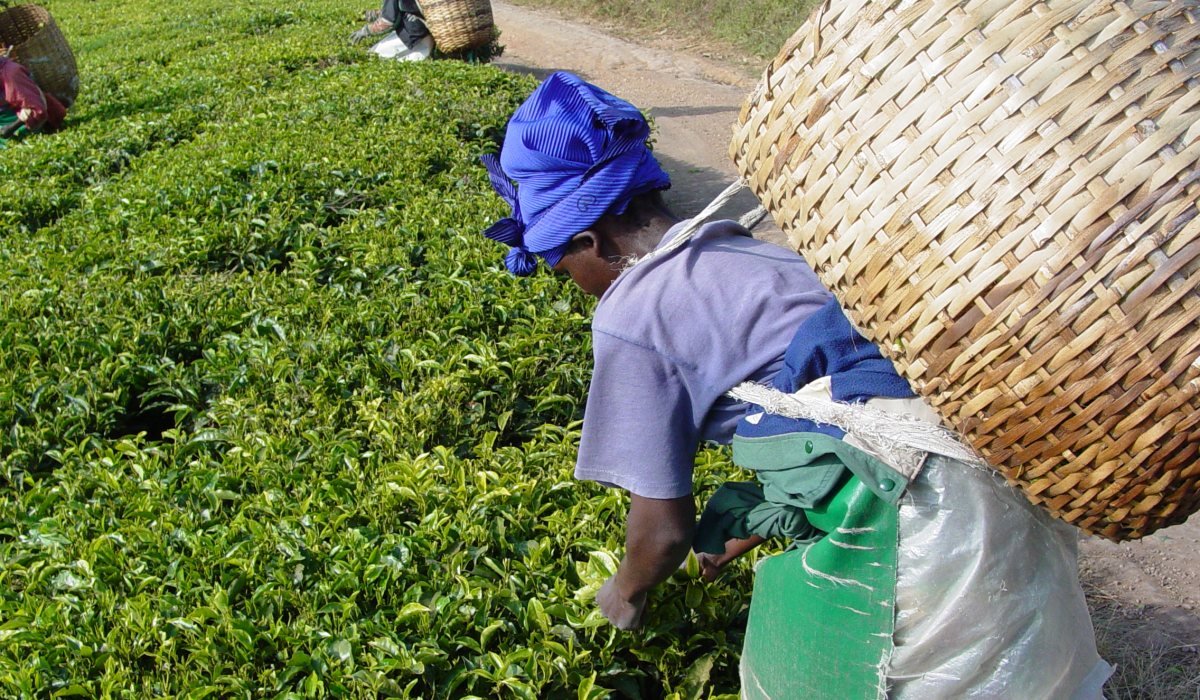
Buyers ask us for "good Nepali tea" more often than for anything specific, and the honest answer is that the phrase does not narrow it down at all. Nepal produces two almost completely different products and the word that separates them is *orthodox*.
It is a manufacturing method, not a grade
Orthodox processing means the leaf is withered, rolled, oxidised and fired — with the leaf structure kept largely intact. Rolling bruises the leaf and starts oxidation; it does not shred it.
CTC — crush, tear, curl — feeds the leaf through toothed rollers that reduce it to granules. Those granules oxidise fast and brew faster, which is exactly what a teabag needs.
Neither is better. They are for different jobs. An orthodox first flush would be wasted in a builder's tea; a CTC granule brewed at 85 °C for three minutes gives you brown water.
Why it changes what you should pay
Orthodox costs more to make. The wither is fourteen to sixteen hours in a controlled airflow, the rolling is slower, the sorting is by hand, and the yield per kilo of green leaf is lower because broken leaf gets graded out.
So when a quotation for "Nepali black tea" comes in far below what you expected, the first question is not about the garden. It is whether you are being quoted orthodox or CTC.
The other three words worth knowing
Flush. First flush is the spring plucking after dormancy, and it carries the aromatics. Second flush, in summer, is bigger-bodied and more malty. Autumn is cheaper and rounder.
Altitude. Growth slows with altitude, which concentrates flavour. Roughly 1,200 to 2,000 metres in the Nepali orthodox districts.
Garden-level versus blended. A garden-level lot comes from one estate and one plucking. A blend is assembled to a flavour profile. Blends are not dishonest, but a blend sold as a garden lot is.
What we put on our own labels
Every tea on this site states the method, the flush, the district and the approximate altitude. Where a lot is blended we say so. Where the pesticide residue report exists we send it with the invoice without being asked.
None of that makes the tea good on its own. It just means you can tell what you are buying before it arrives.