The documents your customs will ask for, and who produces each one
A first-time importer usually gets caught by the same three documents. Here is the full set for a Nepali consignment, what each one is for, and which side of the transaction is responsible for it.
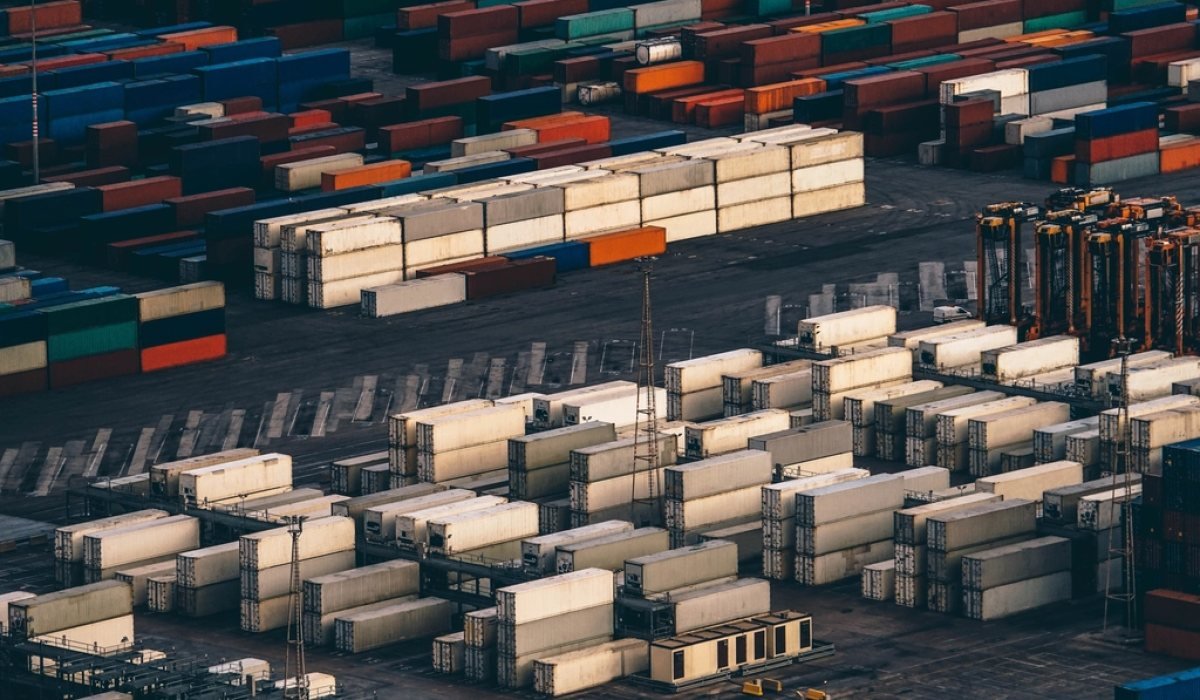
Most delays we see are not customs being difficult. They are a missing certificate that somebody assumed the other side was producing.
Always required
Commercial invoice. Ours. Describes the goods, the value, the incoterm, the currency and the parties. The single most-scrutinised document in the file — if the description does not match the HS code, everything stops.
Packing list. Ours. Carton count, dimensions, net and gross weight per carton, and what is in each. Customs use it to verify the physical consignment against the invoice.
Bill of lading or air waybill. The carrier's. Title document for sea freight, receipt for air. Check the consignee details on the draft before it is issued; correcting one after issue is slow and sometimes expensive.
Certificate of origin. Issued in Nepal by a chamber of commerce. Establishes where the goods were made, which determines the duty rate you pay. If your market has a preferential arrangement with Nepal, this document is the reason you get it.
Required by product type
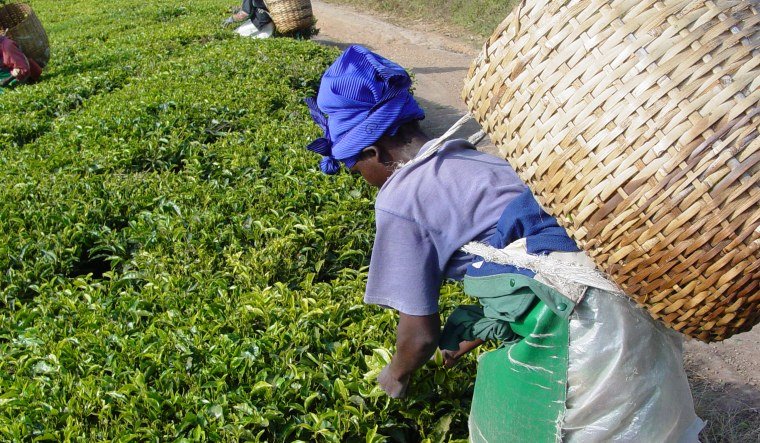
Phytosanitary certificate. Government-issued in Nepal, for anything of plant origin — tea, spices, herbs, buckwheat. Confirms the consignment was inspected and is free of the pests your country cares about.
Veterinary health certificate. For animal-origin goods, which for us means the yak-cheese chews. Rules on dairy-derived pet products vary enormously between markets and some prohibit them outright. Confirm your own country's position before ordering, not after.
Pesticide residue analysis. Accredited lab report. Mandatory for tea entering the EU, and increasingly requested elsewhere. Arranged by us; adds around a week.
ISPM 15 stamp. For solid wood packaging and for wooden goods. A heat-treatment mark applied to the crate. Wood arriving without it gets refused, fumigated at your cost, or destroyed.
Non-antique declaration. For thangka, bronze figures and carved panels. Confirms the item is contemporary work rather than cultural property, which some markets check.
Your side
Import licence or registration, where your country requires one for food, cosmetics or animal products. Customs entry and the duty and tax payment. A Responsible Person in the market for cosmetics entering the EU — that is a legal role and it has to sit with an entity established there, which means it cannot be us.
The practical order of operations
1. Tell us the destination country and the product lines before you commit to anything.
2. We tell you which certificates that combination needs and what they add to the lead time.
3. You confirm your side can accept the goods — this is the step people skip.
4. Order confirmed, production and certification run in parallel.
5. Draft documents to you for checking before the container is sealed.
Step three is where the failures happen. A consignment of dairy-based chews sitting in a bonded warehouse because the importing country does not permit them is nobody's idea of a good week.