Chyangra, cashmere and the word "pashmina"
Pashmina is a fibre with a measurable diameter, not a style of scarf. Most of what is sold under the name is neither cashmere nor close to it — and the test is simpler than the folklore suggests.
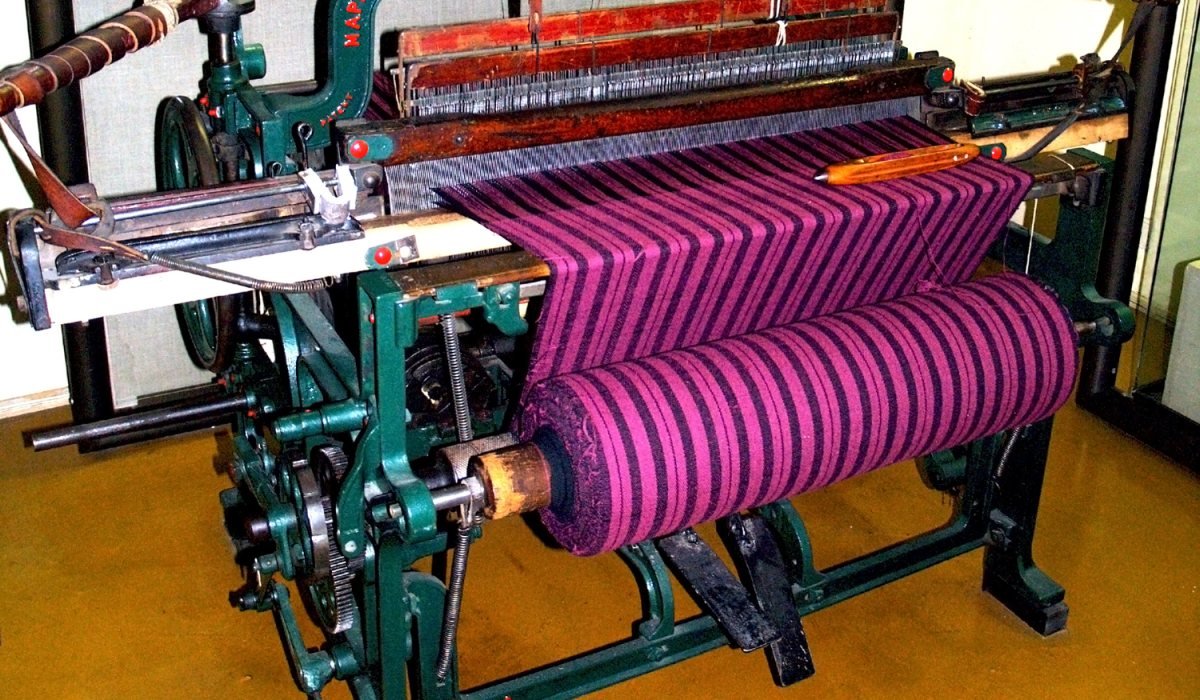
If you have been offered a pashmina shawl for fifteen dollars, you were offered viscose. That is not a moral judgement about the seller, it is arithmetic about the fibre.
What the word means
Pashmina is the Persian-derived name for the fine undercoat of high-altitude goats — in Nepal, the Chyangra. The fibre measures roughly 12 to 16 microns in diameter. Merino wool, for comparison, runs 18 to 24. Human hair is 60 to 100.
That fineness is the entire reason the cloth behaves as it does. Thin fibres bend more easily, so the fabric drapes; more fibres per unit weight means more trapped air, so it insulates without weight.
Why it is expensive
A goat produces a few hundred grams of raw fleece a year, and much of that is coarse guard hair that has to be removed. Dehairing by hand costs perhaps half the yield. What is left has to be spun fine, and fine spinning is slow.
A full-width 100 × 200 cm shawl at 240 grams therefore represents the usable annual undercoat of several animals plus a considerable amount of hand labour. There is no version of that which costs fifteen dollars.
The tests that do and do not work
The ring test — passing a shawl through a wedding ring — tests fineness of *yarn*, not fibre content. A finely spun viscose passes easily. It proves nothing.
The burn test works but destroys a thread. Protein fibre smells of burnt hair, self-extinguishes and leaves a crushable ash bead. Viscose and cotton smell of burning paper and leave soft grey ash. Polyester melts into a hard plastic bead.
The rub test is a reasonable field check. Real pashmina generates a slight static cling and feels warm within seconds. Viscose feels cool and slick and stays cool.
The only definitive test is microscopy or a lab fibre analysis. If you are importing at volume, pay for it on the first shipment from any new supplier.
Blends are not a dirty word
A 70/30 pashmina-silk stole is a legitimate, widely made construction. The silk adds drape and sheen and makes the cloth harder to snag. It is not a cheat — as long as it is labelled as what it is.
What is a cheat is a 30/70 blend sold as pashmina, or a viscose scarf sold as anything at all.
What we do about it
Composition is woven into the label rather than printed on a swing tag, because swing tags come off and claims about fibre content need to survive a wash. Blends are stated as ratios on the product page. Where we cannot verify a supplier's fibre claim, we do not list the product.